Ever paused mid-stream or mid-upload because a platform suddenly muted your video or hit you with a copyright notice? It is a sinking feeling, especially when you were simply sharing gameplay, fan edits, or creative remixes.
Digital music copyright rules do not always feel intuitive, and game audio makes everything even more complicated. Soundtracks, licensed tracks inside games, background ambience, and even menu music can spark a takedown.
The good news is that creators can stay safe if they understand what actually triggers DMCA takedowns, how platforms handle them, and what steps reduce risk instead of relying on myths or guesswork.
Why Game Music Triggers DMCA Takedowns More Than People Think
Game music is not “free to use” just because it is inside a game. The music is typically owned by the publisher, composer, or a licensing company.
When that music appears in your content, it is technically a copyrighted recording.
Platforms like YouTube, Twitch, TikTok, and Facebook rely on automatic detection systems to identify copyrighted audio, and rightsholders decide whether to block, monetize, mute, or strike the content.
Many creators assume fair use protects them, but that is rarely true for full background tracks or long segments.
Common reasons game music triggers takedowns include:
- Using full soundtrack songs without transformation
- Uploading OST compilations or “no commentary” gameplay
- Streaming games with licensed pop music inside them
- Re-uploading cutscenes or cinematic segments with music
Automatic Detection Systems And Why They Are So Aggressive
Before looking for ways to avoid takedowns, it helps to understand how detection works.
Platforms use content recognition systems like Content ID to compare audio fingerprints in your video with a massive database of copyrighted material. If a match appears, a copyright holder can automatically claim it.
These systems are not emotional, forgiving, or context aware. They match, they report, and the rest depends on the copyright owner’s policy.
Blockquote — Important Reality Check
A platform does not manually review every video first. Most copyright actions are automated, and creators often only deal with a human review much later, if at all.
Because of automation, even unintentional background audio can trigger an action. That is why creators need proactive strategies instead of reacting once a strike shows up.
Using Helpful Tools When Creating Content
In today’s music and entertainment environment, creators constantly balance creativity with compliance. One increasingly popular approach is using digital tools to review content tone, originality, or compliance indicators before publishing.
For example, many creators rely on helpful online assistants such as AI checker free platforms to analyze and improve their content quality.
While these tools do not prevent DMCA strikes directly, they are part of a more thoughtful, careful approach to publishing, where creators evaluate what they are uploading instead of just throwing content online and hoping for the best.
The more intentional your workflow, the fewer unpleasant surprises you face.
Licensed Music Inside Games Is One Of The Biggest Hidden Risks
Some modern games include licensed commercial tracks. Sports titles, open world games, racing games, club scenes, and story sequences may feature pop songs you normally hear on the radio.
Those songs are not owned by the game studio; they belong to major labels with very strict copyright enforcement policies.
This is why some creators get hit even when they think they are simply streaming harmless gameplay.
Games that commonly include licensed tracks often lead to:
- Instant muting on live streams
- Global or regional blocking
- Monetization claims
- Copyright strikes in repeat cases
Many studios now include a “streamer mode” that disables licensed music. If your game has it, turning it on is one of the simplest and smartest habits you can build.
What Different Platforms Commonly Do With Copyrighted Game Music
Below is a general idea of how different platforms usually react when copyrighted game music is detected. Policies can change, but the pattern is fairly consistent.
| Platform | Typical Action | What It Means For Creators |
| YouTube | Monetize, mute, or block | Revenue goes to rightsholder or video becomes unavailable |
| Twitch | Mutes VOD segments or issues DMCA complaint | Streams are safe live sometimes, but VODs suffer |
| TikTok | Blocks or removes depending on region | Strong label control makes TikTok strict |
| Often blocks entirely | Less flexible and often unforgiving |
Creators should always double check policy changes on official platform documentation so they do not rely on outdated assumptions.
Did You Know?
Many publishers are not the ones filing takedowns at all. Instead, third-party copyright management services represent them and monitor millions of videos at scale.
These companies exist specifically to enforce rights, monetize content, and remove unauthorized uploads. So even if a game studio “does not care,” someone representing their music often does.
Practical Ways To Avoid DMCA Problems With Game Music
Avoiding takedowns is less about luck and more about good habits. Content creators who rarely face strikes typically have routines that minimize exposure.
It is about knowing when audio is safe, when it is risky, and when silence or replacement music is the smarter option.
Practical strategies include:
- Using streamer mode whenever available
- Lowering in-game music volume if unsure
- Avoiding uploading full soundtrack compilations
- Using royalty-free or licensed background tracks
- Editing or muting sections before posting
- Keeping commentary heavy to reduce pure music playback
You do not have to stop being creative. You simply need to be intentional.
What To Do If You Get A DMCA Claim
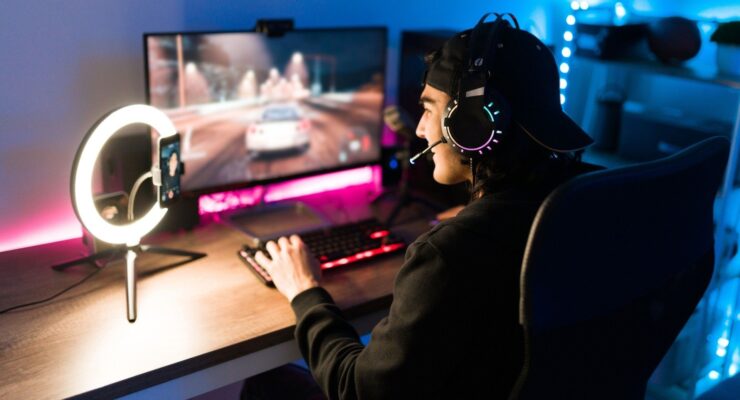
Sometimes even careful creators get hit. Maybe a track slipped through, or maybe the detection system flagged something borderline.
When a claim appears, reacting calmly matters more than reacting quickly. Each platform provides official resolution paths, but misuse of appeals can make things worse.
Helpful next steps to consider:
- Read the exact reason for the claim
- Check whether it is a mute, monetization claim, or strike
- Decide realistically if your content qualifies as fair use
- If confident, use official dispute tools
- Never spam appeals without legal grounds
If a channel or account is important to you professionally, consulting a media lawyer can be worth it in complex cases.
Why Understanding DMCA Protects Creativity Instead Of Limiting It
Some creators see DMCA as something that kills creativity. In reality, understanding copyright allows you to create smarter, safer, and more sustainable content.
Instead of fearing sudden strikes, you operate with clarity. Instead of guessing, you make informed choices.
That mindset lets you enjoy making music-related and gaming-related content without constantly worrying that everything might disappear overnight.
Learning the rules is not about restriction. It is about independence, confidence, and long-term creative freedom.
FAQs
Can game publishers grant blanket permission to use their music?
Sometimes they do, but it depends on the publisher and region. Some indie studios openly allow streaming and YouTube uploads with their music. Many large studios do not, especially when licensed music is involved. Always check official publisher streaming policies when available.
Is background game music quieter still risky?
Yes. Volume does not change copyright ownership. If detection software can still identify it, a claim can still apply. Lowering volume helps only if it makes the track unrecognizable, which is rare.
Are remixes or slowed versions safe from DMCA?
Not automatically. Even altered tracks often match recognition systems. Transforming a song creatively does not guarantee a safe harbor unless it clearly falls under fair use, which is legally complex.
Why do some creators never get strikes while others constantly do?
Often it is about habits. Consistent use of safe practices, streamer modes, careful editing, and avoiding risky games dramatically reduces takedowns. Those who ignore these realities experience constant interruptions, while cautious creators build stable channels.
If you understand what triggers DMCA takedowns for game music and you respect how copyright systems work, you are not limiting your artistic expression. You are simply building smarter, safer, long-lasting creativity in a digital world that watches everything.